What to know about Newham Council carpet disposal rules
If you are replacing worn carpet in Newham, the disposal part can feel oddly annoying. The old roll is bulky, dusty, and never as light as it looks. And then there is the question everyone asks at some point: what actually counts as acceptable carpet disposal under Newham Council rules?
This guide explains What to know about Newham Council carpet disposal rules in plain English. We will cover what the rules mean in practice, how to prepare carpet for disposal, what to avoid, and the sensible ways to handle underlay, grippers, and other flooring bits without turning the job into a headache. A few minutes of planning now can save you a missed collection, an awkward lift to the kerb, or that classic "where on earth do I put this?" moment.
Table of Contents
- Why What to know about Newham Council carpet disposal rules Matters
- How What to know about Newham Council carpet disposal rules Works
- Key Benefits and Practical Advantages
- Who This Is For and When It Makes Sense
- Step-by-Step Guidance
- Expert Tips for Better Results
- Common Mistakes to Avoid
- Tools, Resources and Recommendations
- Law, Compliance, Standards, or Best Practice
- Options, Methods, or Comparison Table
- Case Study or Real-World Example
- Practical Checklist
- Conclusion
- Frequently Asked Questions
Why What to know about Newham Council carpet disposal rules Matters
Carpet disposal sounds simple until you are standing in a hallway with a long, floppy strip of old flooring and no clear plan. In Newham, as in most London boroughs, the main issue is not just "can I throw this away?" but "how do I get rid of it responsibly, safely, and without causing a mess or extra charges?"
The rules matter because carpet is bulky waste. It often has to be handled separately from everyday rubbish, and it may not be accepted in the same way as normal household waste. If you leave it out incorrectly, you risk a collection refusal or an untidy pile sitting outside your property. Nobody wants that. Not on a wet Tuesday, not ever.
There is also a wider environmental point. Carpet, underlay, and fixings can sometimes be reused, recycled, or at least managed better if they are sorted properly. That does not mean every piece will be recycled, but it does mean the way you prepare it can affect what happens next. A little care goes a long way.
Expert summary: The safest approach is to treat carpet as bulky waste unless you have a clear, council-approved collection or drop-off route. Remove contamination, separate materials where practical, and check what the local service expects before you put anything out.
How What to know about Newham Council carpet disposal rules Works
At a practical level, Newham Council carpet disposal rules are about controlling what gets collected, how it is presented, and whether it fits the borough's waste requirements. The exact service route can change over time, so the sensible move is to think in terms of process rather than assuming one fixed method forever.
In most cases, carpet disposal works like this:
- You remove the old carpet from the room.
- You separate it from anything that is not carpet, such as nails, tacks, grippers, and heavily soiled underlay.
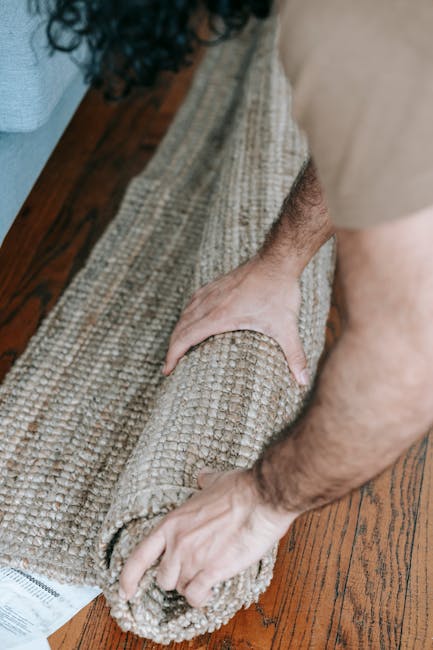
- You bundle or roll it so it is easier to handle.
- You dispose of it through the correct local route, such as a bulky waste collection or another approved disposal method.
That sounds easy, but the devil is in the detail. For example, a carpet cut into neat strips is easier to move than one huge stubborn roll that keeps uncoiling like it has a grudge. Likewise, if the carpet is damp, contaminated, or mixed with rubble, the collection team may refuse it. Fair enough really.
One thing people often overlook is the difference between carpet, underlay, and other flooring waste. These are not always treated the same way. Carpet is textile-based flooring, while underlay may be foam, rubber, felt, or another material. If your floor covering includes adhesives, nails, stair rods, or sections stuck to timber, those extras need attention too. Otherwise the job becomes messy fast.
If you are dealing with a larger property clear-out or a commercial refit, you may also want to consider how the waste sits alongside other items. For example, a broader tidy-up might include commercial carpet cleaning before replacement, or a wider internal refresh with services such as stain removal and upholstery cleaning. That is not a disposal rule as such, but it is often part of the same project in real life.
Key Benefits and Practical Advantages
Following the right disposal route is not only about being tidy. There are real practical benefits.
- You avoid refused collections. Correctly prepared carpet is far less likely to be left behind.
- You reduce hassle on the day. Rolled, cut, and separated carpet is easier to move through narrow hallways or down stairwells.
- You keep the property safer. Loose tacks, carpet edges, and underlay scraps can be trip hazards.
- You stay on the right side of local waste rules. That is especially useful if you are doing several rooms at once.
- You may lower overall clean-up time. A clear plan usually beats one big last-minute scramble.
There is also a comfort factor. Truth be told, disposing of flooring properly feels like finishing the job. It clears the room visually. The echo changes. The place smells less dusty. You can almost hear the house breathing again. A bit dramatic, maybe, but anyone who has lifted old carpet in summer knows the feeling.
For landlords, agents, and tenants at the end of a tenancy, good disposal practice can also support a smoother handover. If you are also dealing with the wider end-of-tenancy clean, the article on house cleaning hacks for tenants ending tenancy may help you line up the rest of the job properly.
Who This Is For and When It Makes Sense
This topic matters if you are:
- replacing bedroom, living room, or stair carpet in a Newham property
- clearing a rented flat before moving out
- refreshing a home after pet damage, spill damage, or heavy wear
- managing a refurbishment on behalf of a landlord or letting agent
- disposing of old carpet after a renovation or insurance-related replacement
It also makes sense if you are only removing part of a carpeted area. People sometimes assume a small offcut can be folded into any bin. Not always. A few square metres can still be bulky once rolled, and underlay can be surprisingly awkward. The same goes for hallway runners or stair carpets, which are lighter in theory but frustrating in practice because of all the bends and turns.
If your carpet has pet odours, urine damage, or heavy staining, disposal is sometimes the right call rather than repeated cleaning. In those cases, it may be worth comparing disposal against restoration. A service such as pet stain odour removal or steam carpet cleaning can sometimes rescue flooring that looks beyond saving at first glance.
Step-by-Step Guidance
Here is a practical, no-nonsense way to handle carpet disposal in Newham without overcomplicating it.
1. Check the condition of the carpet first
Ask yourself whether the carpet is truly waste or whether it could be cleaned, reused, donated, or repurposed. If it is badly damaged, smells strongly of damp, or has embedded staining that will not budge, disposal is usually the sensible route. If it is only dirty, a professional clean may buy you more time.
2. Remove the carpet carefully
Use a utility knife and proper gloves if you are lifting it yourself. Work slowly around edges, stairs, and door thresholds. Take extra care near fixings and tack strips. Those little metal bits can be nasty on the hands, and they always seem to appear just when you relax your grip.
3. Separate carpet from underlay and fixings
Where possible, separate carpet from underlay, grippers, staples, and nails. This makes the waste easier to manage and can help avoid rejection if the collection requires cleaner, more uniform material.
4. Roll or fold into manageable sections
Long rolls are usually easier to carry than loose flapping sheets. Use tape or cord if needed. Keep sections small enough to move safely through the property, especially if you are working alone. Trying to muscle a giant roll through a narrow stairwell is one of those ideas that sounds fine until you actually do it.
5. Keep it dry and clean
Moist carpet is heavier, less pleasant to handle, and less suitable for collection. If you have to store it briefly before disposal, keep it in a dry place. Avoid mixing it with food waste, paint, plaster, or building rubble.
6. Use the correct disposal route
For many households, the next step is a council bulky waste service or another approved waste route. If you are arranging a private clearance, make sure the contractor is licensed and understands local disposal expectations. It is worth asking questions rather than assuming everything will be fine because the van looks tidy. Looks are cheap. Proper paperwork is better.
7. Finish with a proper sweep-up
Once the carpet is out, remove grit, staples, dust, and loose fibres from the floor. That final sweep makes a huge difference, particularly if new flooring is going down soon after. You will notice it immediately underfoot.
Expert Tips for Better Results
These are the small things that make the job easier and help you avoid a faff later on.
- Cut before you lift. Smaller strips are easier to manage than one giant room-sized sheet.
- Label mixed waste. If you have carpet, underlay, and a few broken bits of trim together, keep them separate if at all possible.
- Plan around stairs and parking. In Newham, access matters. Narrow entrances and timed parking can turn a simple lift into a whole production.
- Wear gloves and sturdy shoes. It sounds obvious, but people forget. Then the corner of a tack strip finds them.
- Check whether a clean would save the carpet. If the carpet is good quality, a deep clean may be cheaper and more sustainable than immediate disposal.
- Keep your floor plan in mind. Removing one room at a time is usually easier than stripping half the flat in one go.
One more thing: if you are replacing several items at once, it can help to group the job by room. For example, deal with the carpet first, then upholstery, then curtains or rugs. It keeps the home from looking half-finished for days. If you want ideas for that kind of staged approach, see rug cleaning and curtain cleaning as part of a broader refresh.
Common Mistakes to Avoid
A lot of disposal problems come from a handful of very ordinary mistakes. Nothing dramatic. Just small oversights that snowball.
- Leaving carpet loose on the pavement. This is the big one. Loose material is awkward, untidy, and may be rejected or treated as fly-tipping if placed incorrectly.
- Forgetting about underlay. People often remove the visible carpet and then stare at the foam layer underneath like it appeared by magic. It did not. It still needs handling.
- Mixing in sharp fixings. Staples and gripper rods create safety issues for anyone handling the waste.
- Assuming all carpet can be treated the same way. Stairs, offcuts, wet carpet, and contaminated carpet can all need different handling.
- Booking too late. If you leave disposal until after the replacement is already underway, the room can become unusable.
- Using an unlicensed clearance service. This is one of those things that seems fine right up until it is not. If waste is dumped illegally, the original owner may still end up with the stress.
It is also easy to overestimate how much you can carry in one go. Carpet is bulky. Even a small bedroom can generate more waste than people expect. Better to plan in sections than to improvise with a stack that barely fits through the door.
Tools, Resources and Recommendations
You do not need a van full of specialist gear, but a few simple tools help a lot.
- Utility knife for cutting carpet into strips
- Heavy-duty gloves for grip and hand protection
- Kneepads if you are doing a full-room lift
- Dustpan and brush for the final clean-up
- Strong tape or twine for bundling rolls
- Mask or face covering if the carpet is dusty or heavily soiled
For planning the wider job, it can help to look at related service pages that sit around the same kind of home or property refresh. For example, carpet cleaning is useful if you are deciding whether to salvage flooring before disposal, while sofa cleaning and mattress cleaning may be relevant if you are doing a full reset of a room or rental property.
If you are comparing service costs or trying to budget the job, the pricing and quotes page is a sensible place to start. It is always better to have a rough idea of the financial side before you rip anything up. Saves headaches later.
Law, Compliance, Standards, or Best Practice
Without pretending to be a legal manual, there are a few sensible compliance principles to keep in mind. In the UK, waste should be handled responsibly, and anyone arranging disposal should make sure it does not create a nuisance, safety issue, or illegal dumping risk. If you hire someone else to remove the carpet, they should be able to demonstrate that they are operating properly and disposing of waste lawfully.
Best practice usually means:
- separating carpet from hazardous or sharp materials where practical
- avoiding blocked communal areas and unsafe storage
- using approved disposal routes rather than informal dumping
- checking whether a service provider handles waste in line with expected standards
If you are arranging any kind of on-site work alongside the disposal, it is also worth looking at general safety and insurance information. The pages on health and safety policy and insurance and safety can help you understand the kind of precautions a responsible provider should take. That matters more than people think. Especially in stairwells. Especially when heavy rolls are involved.
For environmentally minded readers, the broader question is not only "how do I get rid of this?" but "can any of it be handled more sustainably?" A useful starting point is the company's recycling and sustainability information, which fits well with the general aim of reducing waste where possible. To be fair, not every carpet can be recycled neatly. But it is still worth thinking about the least wasteful route.
Options, Methods, or Comparison Table
There is more than one way to deal with old carpet. The right choice depends on condition, volume, access, and time. Here is a simple comparison.
| Method | Best for | Pros | Watch-outs |
|---|---|---|---|
| Council-approved bulky waste disposal | Household carpet that is already removed and ready to go | Convenient for many residents, straightforward if prepared properly | Needs correct presentation and timing; may not suit urgent jobs |
| Private licensed waste removal | Large clear-outs, urgent removals, or mixed flooring waste | Flexible, can handle more material in one go | Must use a legitimate operator; quality varies |
| Reuse or donation | Clean, undamaged carpet with usable life left | More sustainable, may help someone else | Not always possible; hygiene and size matter |
| Deep cleaning instead of disposal | Carpet that is worn but still structurally sound | Can be cheaper than replacement, reduces waste | Won't solve severe damage, odours, or water issues |
If you are on the fence, ask one simple question: is the carpet genuinely at the end of its life, or is it only looking tired? That distinction can save a lot of money. Sometimes a room just needs a proper refresh rather than a full strip-out. And sometimes, honestly, the carpet is done. You know it when you see it.
Case Study or Real-World Example
Imagine a typical Newham flat: two bedrooms, a small hallway, and a living room with older carpet that has taken a beating over the years. The tenant is moving out on Friday. The landlord wants the place ready for viewings the following week. There is also one stair runner that has frayed at the edges and a bedroom carpet with a stubborn pet smell near the window.
In a situation like that, the most efficient approach is usually to assess each room separately. The stair runner might be removed, cut into sections, and bundled for disposal. The living room carpet may be worth checking for salvage if the pile is still decent. The bedroom with the smell may need a decision between deep cleaning and disposal, depending on how far the odour has penetrated. A service like damp smell removal can also be useful if moisture is part of the problem.
What tends to go wrong in real life is trying to do everything at once. The hallway blocks up, the offcuts get mixed together, and suddenly the recycling bag contains carpet crumbs, staples, and half a strip of underlay. A better plan is to strip one room, clear it fully, then move on. It feels slower at first, but it usually finishes faster. Funny how that works.
Practical Checklist
Use this quick checklist before you put anything out for disposal:
- Have I confirmed whether the carpet should be disposed of or cleaned?
- Have I removed all loose items, nails, staples, and grippers?
- Have I separated underlay from carpet where practical?
- Have I cut the carpet into manageable sections?
- Is the carpet dry and free from contamination?
- Do I know the correct disposal route?
- Have I checked access, timing, and any collection instructions?
- Have I kept walkways safe while the carpet is being moved?
- Have I swept up the floor after removal?
- Have I considered whether other soft furnishings need the same treatment?
If the answer to any of those is no, pause and sort it out first. It is much easier than dealing with a rejected pile later.
Get a free quote today and see how much you can save.
Conclusion
What to know about Newham Council carpet disposal rules comes down to a simple idea: treat old carpet as bulky waste that needs proper preparation, sensible handling, and the right disposal route. If you strip it carefully, separate what can be separated, keep it dry, and avoid mixing in sharp or messy materials, the whole process becomes much smoother.
That is the real win here. Not just getting rid of old flooring, but doing it in a way that keeps the home safe, avoids hassle, and fits with responsible local waste practice. A bit of order now saves a lot of awkwardness later. And honestly, there is something satisfying about standing in a cleared room with the job finally done. Small victory, but a good one.
Frequently Asked Questions
Can I put old carpet in my normal household bin in Newham?
Usually not, especially if it is large or bulky. Carpet is typically treated as bulky waste, so it often needs a separate disposal route. Small offcuts may be different, but large rolls and full-room carpet will normally need proper handling.
Does underlay have to be disposed of separately from carpet?
Where practical, yes. Underlay is often a different material from the carpet itself, and separating it can make disposal easier and cleaner. It can also help if the collection route has specific expectations about material type.
What should I do with carpet that is wet or damp?
Dry it out if possible before disposal, or handle it carefully because it becomes heavier and less pleasant to move. Damp carpet can also smell and may not be suitable for storage. If the dampness is linked to a leak or mould, it may be worth checking the room for bigger issues first.
Can I leave carpet outside for collection?
Only if the collection arrangement specifically allows it and the carpet is presented correctly. Loose waste outside can cause issues, so it is better to follow the exact collection instructions rather than guessing.
Is it better to clean carpet or replace it?
That depends on the condition. If the carpet is structurally sound but dirty or stained, cleaning may be enough. If it has deep damage, persistent odour, or severe wear, replacement and disposal may be more sensible. There is no one-size-fits-all answer, annoyingly.
Can carpet be recycled?
Sometimes, but not always. Recycling depends on the material, contamination, and local processing options. Clean, separated carpet is generally a better candidate than carpet mixed with underlay, tacks, or other building waste.
What happens if I use an unlicensed waste remover?
You could end up with illegally dumped waste, and that can create serious headaches. It is always safer to use a legitimate, properly run service that can handle disposal responsibly.
How should I prepare carpet from stairs?
Cut it into shorter sections and remove any fixings carefully. Stair carpet is often awkward because of the shape, so break it down into manageable lengths and keep the steps clear while you work.
Do I need to remove staples and nails before disposal?
Yes, as far as reasonably possible. Sharp fixings can create safety risks during handling and can make the waste harder to manage. It is one of those small tasks that saves trouble later.
What is the safest way to move heavy carpet rolls?
Use two people if the roll is large, keep the path clear, and lift with care. Smaller bundled sections are much easier to carry, especially through tight hallways or up and down stairs.
Should landlords handle carpet disposal differently from tenants?
The basic principles are the same, but landlords often need to think about timing, access, and compliance more carefully. If the disposal is part of an end-of-tenancy or refurbishment plan, it helps to coordinate it with cleaning and any repairs.
What if the carpet is only partly damaged?
If only one section is ruined, you may not need to replace the whole room. A patch repair or targeted cleaning may work, depending on colour match and wear level. If the damage is widespread, disposal becomes the simpler option.
How far in advance should I arrange carpet disposal?
As early as you can, especially if you are working to a move-out date or a renovation schedule. Last-minute disposal tends to create clutter, stress, and rushed decisions. A bit of planning keeps everything calmer.
If you are still weighing up the best approach for your carpet, the safest move is to assess the material, separate the waste properly, and choose the disposal option that fits the condition of the flooring and the timing of your project. Small steps, done properly, make the whole thing far less painful.